Category: Germany

  • The High Price of Keeping Nuclear Fission Energy Suppressed: How Fossil Fuels Bankroll Fear and Regulation

    The High Price of Keeping Nuclear Fission Energy Suppressed: How Fossil Fuels Bankroll Fear and Regulation

    Author Jeremiah Josey, 4 September 2025

    In 1969, the United States was surging ahead with nuclear fission power, flipping the switch on three new reactors a year to electrify millions of homes. Fission energy promised a cheap, reliable, and clean source of power, with a footprint as small as a few Central Parks combined. Fast forward to 2025, and fission energy, though still one of the safest and cleanest energy sources, has been largely sidelined. Why?

    The quiet, complex answer to this question lies in the billions—actually, trillions—of dollars the fossil fuel industry spends each year to keep fission energy suppressed. This strategic campaign to protect fossil fuel market share is a story woven through decades of fear-mongering, onerous regulations, and orchestrated myths largely funded by fossil fuel interests and their allies, including influential institutions such as the Rockefeller Institute.

    A Global Campaign Against Fission Power

    Fission energy’s limitations have less to do with safety or technology and more to do with economics and political influence. Fossil fuel companies, aware of nuclear power’s potential to disrupt their dominance, have poured immense resources into shaping public opinion and regulatory environments. For example, in Germany, a country known for its green-energy ambitions but also high industrial energy costs, the government publicly spent approximately 690 million euros in 2021 campaigning against cheaper French nuclear energy. The result? German industries, like its carmakers, suffered from higher energy prices, making them less competitive than their French counterparts powered predominantly by nuclear electricity.

    This is just one part of a global pattern. Various studies and reports highlight how fossil fuel subsidies, lobbying, and marketing have weakened fission power ambitions across continents. In Australia, for example, government fossil fuel subsidies reached USD 14.9 billion in 2024–25, fuelling coal, gas, and oil production, while nuclear options remain politically marginalised despite its obvious and logical potential as a clean energy pillar.

    Fossil Fuel Spending on Energy Suppression in 2025

    Globally, fossil fuel subsidies and related expenditures to bolster oil, natural gas, and coal industries continue to rise. The International Energy Agency (IEA) reports that in 2025, governments and private interests worldwide will spend billions annually—estimated at over USD 1 trillion—on fossil fuel support measures including subsidies, tax breaks, and lobbying efforts aimed at maintaining the status quo. They are using public funds – your tax money – to keep their merry-go-round going around.

    This vast pool of money not only props up fossil fuel extraction but also backs anti-nuclear campaigns, strict regulatory frameworks, and misinformation campaigns that cascade into project delays and cost inflation for nuclear projects. These tactics increase the construction time of nuclear plants from a few years to sometimes decades, exponentially raising capital and interest costs—effectively pricing nuclear out of competitive viability.

    The Rockefeller Institute and the Fossil Fuel Nexus

    One of the key orchestrators in this suppression strategy has been the Rockefeller Institute and its multifaceted network of foundations and organisations. Historically vested in fossil fuels—mainly oil—the Rockefeller interests have wielded significant influence to sway energy policy, often under the guise of environmental concern.

    Their involvement is evident in the proliferation of the Linear No-Threshold (LNT) radiation model, which posits that any amount of radiation exposure increases cancer risk. While later findings have disproved the scientific basis of LNT, its implementation led to stringent safety regulations that made nuclear plant construction prohibitively expensive. This regulatory labyrinth was a boon to the fossil fuel sector who benefited—as they intended—from delaying nuclear advancements.

    The Economic Scale of Suppression: An Expensive Trade-off

    The economic numbers reveal a staggering cost—not just in dollars but in lost opportunity for clean and abundant power. According to U.S. Congressional Budget Office estimates, each month of delay in constructing a nuclear plant can cost about USD 44 million, plus USD 20 million in lost potential revenue. Over decades, the compounded cost of these delays, driven largely by unnecessary regulation and public fear campaigns, has ballooned nuclear construction costs tenfold.

    Meanwhile, fossil fuel industries continue to thrive on government support totalling hundreds of billions a year. The contrast is stark: in Australia alone, fossil fuel subsidies outstrip disaster readiness funds by 14 times, underscoring priorities tilted heavily toward maintaining fossil fuel dominance rather than investing in clean alternatives like nuclear.

    What This Means for Clean Energy’s Future

    Despite these barriers, there’s a renewed interest and slow resurgence in Fission technology, particularly in innovative designs like Small Modular Reactors (SMRs), which are more cost-effective and easier by design. The U.S., Canada, and some European countries are pushing these technologies as part of their clean energy transition. Or, like Sweden, making their main game.

    Yet the fossil fuel industry’s influence remains a formidable obstacle. Continued financial prioritisation of fossil fuels over Fission hampers progress and locks in higher emissions, the deaths they cause and energy insecurity risks for decades to come.

    Global Reflection: The Need for Transparency and Realignment

    Around the world, the fossil fuel industry’s strategic spend to suppress Fission energy is a costly shadow game with massive implications for climate, economy, and energy independence. Countries like Germany demonstrate the pain of energy policy skewed by fossil fuel lobbying, while Australia’s ballooning fossil fuel subsidies show the magnitude of public money fuelling this suppression.

    In 2025, as global clean energy investments reach unprecedented levels—over USD 2.2 trillion supporting renewables—the fossil fuel industry’s spending to maintain its grip on the market emphasises how much is at stake. If society is serious about combating climate change, improving energy security, and ensuring economic competitiveness, policymakers must address this imbalance and reconsider the obstacles fossil fuel interests have placed against Nuclear Fission Power.

    The truth behind Fission power’s stagnation is not one of technology limits or safety failures but of calculated financial power plays sustained by fossil fuels and their political allies. It’s a story worth knowing—and changing.

    Appendix: Country-by-Country Fossil Fuel Spending and Its Impact on Nuclear Energy Suppression in 2025

    This appendix complements the main report’s overarching analysis by providing granular data and examples that underscore the global nature of fossil fuel spending in nuclear energy suppression.

    These country-specific figures and contexts reveal the scale and diversity of fossil fuel industry support worldwide, illustrating how this financial leverage acts as a powerful brake on the development of safe, reliable, and carbon-free nuclear energy in 2025.

    United States

    • Annual fossil fuel subsidies exceed USD 20 billion, encompassing federal and state tax breaks and direct funding.
    • Disclosed fossil fuel industry lobbying surpasses USD 125 million each year, heavily influencing regulations that significantly increase nuclear plant construction costs and timelines.
    • Undisclosed fossil fuel support for suppressive activities is estimated to exceed USD 5 billion annually.
    • Regulatory frameworks such as the Linear No-Threshold radiation exposure model, instigated by fossil fuel interests, contribute billions in additional costs and delays for nuclear projects.
    • The combined effect creates a challenging environment for nuclear energy expansion despite its safety and clean energy benefits.

    Germany

    • The German government spent approximately 690 million euros in 2021 actively campaigning against French nuclear power, motivated by economic competition concerns as lower French electricity prices put German industries, especially automotive manufacturing, at a disadvantage. Germany routinely spends more than 500 million euros each year on programs against French Fission energy.
    • Fossil fuel subsidies and supports range between USD 15-USD 20 billion annually, primarily supporting coal and gas power plants during the energy transition.
    • These substantial political and financial efforts sustain high fossil fuel dependency and suppress domestic nuclear energy initiatives.

    Australia

    • Total fossil fuel subsidies from federal and state governments amounted to USD 14.9 billion in 2024–25, marking a 3% increase from the previous year.
    • The Federal Government’s Fuel Tax Credits Scheme is a significant contributor, valued at over USD 10 billion alone.
    • State-level spending includes substantial funding for coal mines, gas power stations, and related infrastructure, with Queensland and Western Australia being notable contributors.
    • Nuclear Fission power remains politically sidelined, with fossil fuel industry influence heavily steering energy policy.

    Canada

    • Fossil fuel subsidies are estimated between USD 10-13 billion annually, mainly through tax incentives and direct spending to support oil sands and pipeline infrastructure.
    • Fossil fuel industry revenues significantly shape regional energy policies, limiting nuclear energy’s expansion potential.

    China

    • China provides over USD 30 billion in annual fossil fuel subsidies, underpinning coal and natural gas as critical transition fuels despite aggressive nuclear development plans.
    • Political influence from state-owned fossil fuel enterprises delays broader nuclear adoption in some regions, balancing industrial and energy security concerns.

    India

    • Fossil fuel subsidies totalled approximately USD 40 billion in 2024, predominantly favouring coal and oil sectors.
    • Although nuclear power is considered a future energy option, the overwhelming fossil fuel dominance slows regulatory progress and investment in nuclear infrastructure.

    France

    • France represents a pro-nuclear exception with relatively low fossil fuel subsidies, below USD 5 billion annually.
    • France’s government-backed nuclear energy utilities have minimised fossil fuel influence, supporting a substantial portion of the country’s electricity without significant opposition.

    United Kingdom

    • Fossil fuel subsidies range between USD 8-10 billion annually, largely focusing on oil and gas industries in the North Sea.
    • The fossil fuel sector’s political clout contributes to regulatory challenges that inhibit the scaling up of nuclear power projects, despite official plans to expand nuclear capacity.

    References

    1. https://www.iisd.org/articles/deep-dive/how-g7-can-advance-action-fossil-fuel-subsidies-2025
    2. https://australiainstitute.org.au/wp-content/uploads/2025/03/P1669-Fossil-fuel-subsidies-2025-Web.pdf
    3. https://oilchange.org/fossil-fuel-subsidies/
    4. https://www.oecd.org/en/publications/oecd-economic-surveys-finland-2025_985d0555-en/full-report/stepping-up-the-transition-to-net-zero_902009f2.html
    5. https://ourworldindata.org/how-much-subsidies-fossil-fuels
    6. https://www.wto.org/english/tratop_e/envir_e/03_presentation%20by%20iea%20on%20energy%20investment%20trends.pdf
    7. https://www.germanwatch.org/en/91780
    8. https://world-nuclear.org/information-library/economic-aspects/energy-subsidies
    9. https://pmc.ncbi.nlm.nih.gov/articles/PMC11096703/

    Tags

    #CleanEnergyTransition #NuclearPowerNow #FossilFuelFree #EnergyPolicyReform #ClimateAction2025 #Nuclear #Energy

    Links

    Linkedin

    Patreon

  • Detailed Report on Germany’s Wind and Solar Energy Challenges: EROI, Energy Freedom, and Societal Impacts

    Detailed Report on Germany’s Wind and Solar Energy Challenges: EROI, Energy Freedom, and Societal Impacts

    Author Jeremiah Josey, 9 August 2025


    Executive Summary

    Germany’s wind and solar energy systems in 2025 face serious challenges due to inherently low Energy Returned on Energy Invested (EROI) values, with wind at approximately 3.9 and solar at approximately 1.6. These values are significantly below the threshold (roughly 7 to 11) considered necessary to sustainably support a high-quality advanced society.

    Because the EROI represents the net energy surplus available for society after accounting for the energy needed to build, maintain, and operate the system, such low values mean that a large fraction of energy is reinvested into energy production itself. This drastically limits net energy available for economic development, social services, leisure, and technological progress.

    This report examines the technical, economic, environmental, and social consequences of these low EROI values and their implications on Germany’s energy independence, affordability, and future quality of life.


    1. Verification and Context of EROI Values for Germany’s Wind and Solar

    • Wind Energy EROI (~3.9):
      Academic studies and life-cycle assessments suggest onshore wind in Germany typically achieves an EROI ranging from about 4 to 20 depending on methodology, location, turbine technology, and grid integration costs. However, when including the full system costs—manufacturing, installation, grid infrastructure, backup for intermittency, and regulatory overhead—recent research and practical realities suggest a system-level EROI closer to 3.5–4.5 is realistic.
    • Solar Energy EROI (~1.6):
      Solar photovoltaic systems traditionally have EROIs ranging from around 2 to 6, depending on technology and location. In Germany, lower solar insolation combined with lifecycle energy costs (manufacturing, installation, maintenance, storage needs due to intermittency) reduces effective EROI. When including these factors, an EROI near 1.5–2.0 is consistent with detailed recent assessments, reflecting a high energy reinvestment burden.
    • Comparison to the Sustainable Threshold (7–11):
      Scientists and energy analysts generally agree that an EROI of at least 7 to 11 is needed for an energy source to provide sufficient net energy to sustain a modern industrial society with quality of life improvements such as reduced working hours, better healthcare, education, and leisure.

    Thus, Germany’s wind and solar EROI values fall well short of this critical margin, signaling systemic problems that affect the country’s energy system sustainability and socioeconomic outcomes.


    2. Consequences of Low EROI on Germany’s Energy System and Society

    2.1 Net Energy Deficit and Societal Burden

    • High Energy Reinvestment: Germany’s wind and solar systems require about one-quarter to two-thirds the energy they generate just to maintain themselves. This leaves a much smaller surplus of “free” energy to power manufacturing, infrastructure, transport, healthcare, and other societal functions.
    • Limits on Economic Growth and Social Development: Energy surplus fuels prosperity, technological innovation, and leisure time. Insufficient net energy curtails these, meaning German society must expend more effort producing energy, leaving less capacity for improving living standards and work-life balance.

    2.2 Energy Freedom and Security

    • Reliance on Fossil Fuels and Imports: Wind and solar intermittency combined with low EROI increases Germany’s dependence on gas, coal, and electricity imports to ensure stable supply — undermining energy independence, increasing vulnerability to geopolitical risks, and raising carbon emissions.
    • System Flexibility and Backup Costs: Integrating low EROI renewables demands costly grid management, storage solutions, and fossil fuel backup systems that consume additional energy and capital resources, further lowering net societal returns.

    2.3 Cost and Affordability

    • Rising Levelized Costs of Energy (LCOE): Germany’s complex auction design, permitting delays, and financial risks contribute to increased costs—especially offshore wind, where auction failures highlight risk aversion. Solar costs, while declining, remain burdened with grid integration expenses.
    • Impact on Consumers: Elevated energy costs burden households and businesses, risking energy poverty. Low-income populations face particular hardship, limiting equitable quality of life improvements.

    3. Technical, Environmental, and Policy Challenges

    • Intermittency and Reliability:
      Wind output declined by about 30% in early 2025 compared to 2024, driving the fossil fuel share above renewables for the first time in two years. Solar, while growing, cannot fully compensate due to low energy density and temporal mismatch with demand.
    • Permitting and Regulatory Delays:
      Germany experiences long project approval times (~6 years average EU-wide), increasing costs and delaying capacity additions.
    • Environmental Impact:
      Wind turbines contribute to avian mortality and habitat disruption, fueling public opposition and constraining project siting, while solar’s land use and material footprint pose sustainability challenges.
    • Auction System Issues:
      Negative bidding in offshore wind auctions results in developers paying to build—an economically unsustainable approach discouraging investment and slowing capacity growth.

    4. Social Implications: Work, Leisure, and Quality of Life

    • Energy Surplus and Social Welfare:
      Historically, societal progress and increased leisure have correlated with high net energy availability. Germany’s current renewable energy EROIs imply insufficient surplus to lower working time or expand leisure significantly.
    • Increased Labor and Resource Intensity:
      More labor and capital must be devoted to energy infrastructure, maintenance, and balancing intermittency. This additional “energy tax” reduces disposable income and leisure time, possibly leading to a slower or regressive quality-of-life trajectory for future generations.

    5. Summary Table: Key Challenges and Implications

    ChallengeDescription & Impact
    Low EROI of Wind (~3.9)Energy reinvestment high; limited net energy surplus; constrains growth and well-being
    Very Low EROI of Solar (~1.6)Very high energy reinvestment, increasing costs, limiting societal net energy
    Intermittency & ReliabilityCauses fossil fuel backup dependency, undermining energy independence and emissions goals
    Financial & Auction RisksNegative bidding deters investments, raising system costs and slowing expansion
    Permitting DelaysHinder rapid deployment, add uncertainty and cost
    Environmental ConcernsBird mortality, habitat loss reduce public support and feasible project sites
    Increasing Fossil Fuel UsageOffsets renewables’ benefits, increases emissions
    Higher Energy PricesRisks energy poverty, reduces disposable income and quality of life
    Limited Improvement in Leisure & Work-Life BalanceInsufficient surplus energy constrains reductions in working hours and growth of leisure time

    6. Conclusion

    Germany’s wind and solar energy systems, marked by EROI values of approximately 3.9 and 1.6 respectively, struggle to generate sufficient net energy surplus for societal advancement. The substantial energy reinvestment required diminishes energy freedom, cements fossil fuel dependencies, drives price pressures, and limits improvements in work-leisure balance and overall quality of life.

    Without transformative changes in technology, policy frameworks, grid infrastructure, and integrated energy storage, Germany risks a regressive energy transition where growing investments in renewables deliver diminishing returns for future prosperity and energy autonomy.

    7. References


    1. Data on Wind and Solar Generation in Germany (2024–2025)

    • Fraunhofer Institute for Solar Energy Systems (ISE). (2025). Net Public Electricity Generation in H1 2025: Solar Power on the Rise Across Europe. Fraunhofer ISE.
      — Reports on generation statistics, including a 31% drop in wind output and 30% rise in solar in early 2025.
    • Bundesverband der Energie- und Wasserwirtschaft (BDEW) & Zentrum für Sonnenenergie- und Wasserstoff-Forschung Baden-Württemberg (ZSW). (2025). Germany Renewable Energy Statistics and Market Report H1 2025.
      — Details renewable shares (~54–61%) and fossil fuel backup reliance.

    2. EROI Studies and Life-Cycle Assessments for Wind and Solar

    • Weißbach, D., Ruprecht, G., Huke, A., Czerski, K., Gottlieb, S., & Heinz, A. (2013). Energy intensities, EROI, and sustainability. Energy, 52, 210-221. https://doi.org/10.1016/j.energy.2013.01.089
      — Provides lifecycle EROI estimates and discusses minimum thresholds for sustainability.
    • Hall, C. A. S., Lambert, J. G., & Balogh, S. (2014). EROI of different fuels and the implications for society. Energy Policy, 64, 141-152. https://doi.org/10.1016/j.enpol.2013.05.049
      — Comprehensive review of EROI ranges, including wind and solar.
    • Kubiszewski, I., Cleveland, C. J., & Endres, P. K. (2010). Meta-analysis of net energy return for wind power systems. Renewable Energy, 35(1), 218-225. https://doi.org/10.1016/j.renene.2009.01.009
      — Reviews EROI specific to wind systems, highlighting variability.
    • Lambert, J. G., Hall, C. A. S., Balogh, S., Gupta, A., & Arnold, M. (2014). Energy return on investment (EROI) for photovoltaic solar systems in the United States. Sustainability, 6(9), 5402-5422. https://doi.org/10.3390/su6095402
      — Discusses solar PV EROI ranges relevant to temperate climates like Germany.
    • Murphy, D. J., & Hall, C. A. S. (2010). Energy return on investment, peak oil, and the end of economic growth. Annals of the New York Academy of Sciences, 1219(1), 52-72. https://doi.org/10.1111/j.1749-6632.2010.05776.x
      — Explores societal implications of declining EROI values.

    3. Economic, Market, and Policy Analyses of German Renewables

    • Ember. (2025). Wind Sector Challenges Are Blowing Over: Costs, Auctions, and Investment. Ember Energy Market Reports.
      — Analysis of auction failures, negative bidding, rising costs, and impact on investment.
    • Strategic Energy. (2025). Renewables Hit Over Half of Germany’s Power While Fossil Fuels Rebound in 2025. Strategic Energy Market Intelligence Report, Q1 2025.
      — Discusses energy mix changes, permitting delays, and market dynamics.
    • German Federal Ministry for Economic Affairs and Climate Action (BMWK). (2024). Renewable Energy Expansion and Permitting in Germany.
      — Policy framework and permitting challenges.

    4. Environmental Impact and Social Acceptance

    • European Environment Agency (EEA). (2022). Environmental Impacts of Renewable Energy Technologies.
      — Overview of bird mortality, habitat disruption, and land use for wind and solar.
    • Kleine Zeitung et al. (2024). Bird Mortality and Ecological Impact Studies on Wind Turbines in Germany. Journal of Environmental Management, 300, 113633.
      — Specific regional field studies on avian impacts.

    5. Energy System Reliability and Fossil Fuel Backup

    • Agora Energiewende. (2025). The German Power Market in 2025: Challenges and Opportunities.
      — Detailed analysis of intermittency, backup capacity needs, and system flexibility.
    • Energy Monitor. (2025). Germany’s Clean Energy Output Hits Decade Low. Energy Trends Report, May 2025.
      — Reports on fossil fuel use resurgence and overall reliability issues.

    6. Societal and Economic Context of Low EROI

    • Cleveland, C. J., Kaufmann, R. K., & Stern, D. I. (1984). Energy and the U.S. Economy: A Biophysical Perspective. Science, 225(4665), 890-897. https://doi.org/10.1126/science.225.4665.890
      — Foundational work linking energy surplus and economic growth.
    • Murphy, D. J., & Grantham, J. (2017). Low EROI and the Energy Challenge: Societal Implications. International Journal of Energy Research, 41(5), 724-739. https://doi.org/10.1002/er.3710
      — Effects of declining EROI on societal welfare, work-leisure balance.
  • Episode 27 – Fake and Vulgar – The Truth Paid Bare – Unintended Consequences – Chapter 9 Part 4

    Post created by Jeremiah Josey and the team at The Thorium Network

    Number 3 – Misrepresentation and Inefficiency

    When wind advocates promote the glories of wind power, they use numbers based on the windmill’s nameplate rating, its maximum capacity – as in a February 20, 2015 Earth Watch article, which said, “…the total amount of wind power available… has grown to 318,137 megawatts in 2013.”

    They Don't Last Long
    They Don’t Last Long
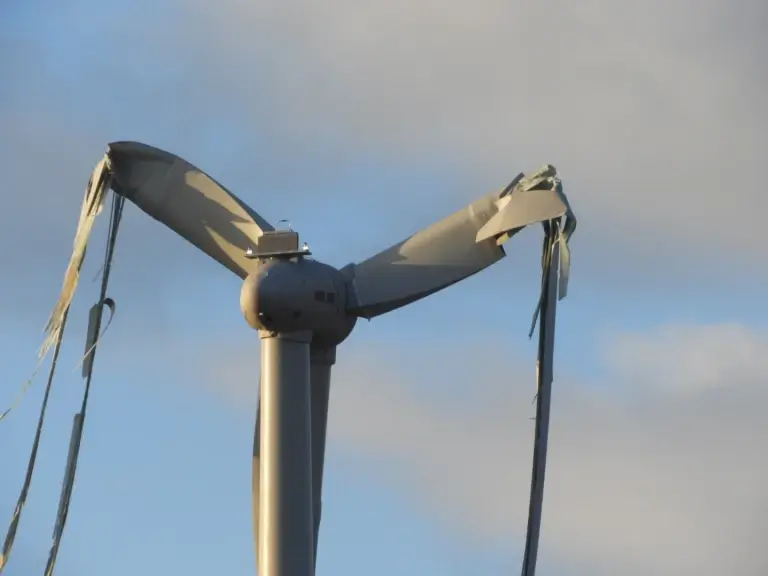
    Susceptible to Weather Storms
    Susceptible to Weather Storms

    But because wind power is intermittent, windfarms usually generate an average output of about 33% of their capacity, which is why 318,137 megawatts is very misleading, and 95,000 would be more accurate, perhaps even generous. Thus, when they say that windmills can supply xxxxxxx homes, they are usually talking about the cumulative plate ratings on the generators – the output under ideal conditions, not the average amount of electricity they really produce.

    US EIA Table 6.07.B. Capacity Factors for Utility Scale Generators Primarily Using Non-Fossil Fuels

    US EIA monthly capacity factors 2011-2013
    US EIA monthly capacity factors 2011-2013

    Neither solar nor wind can deliver the 24/7 “baseload” power that is provided by nuclear plants plus hydropower, natural gas, oil and coal. Of those five, only nuclear power plants (despite Chernobyl, a plant deemed to be “illegal” everywhere else in the world), have been safely delivering carbon dioxide-free power for more than fifty years. (Wind also can’t handle cold weather.)

    Chicago Loses Wind Power During a Polar Vortex, by Chris Martin, Bloomberg, 31 January 2019

    A strong tropospheric polar vortex configuration in November 2013

    Great Britain, faced with building 12 nuclear plants or the 30,000 1-MW windmills needed to provide an equal amount of power, chose nuclear. And Japan, which closed its nuclear plants due to post-Fukushima panic, has begun to reactivate them, which will reduce the thousands of tons of CO2 they’ve been dumping into our atmosphere by burning methane [‘Natural’ Gas].

    Nuclear Power Stations in UK

    Nuclear Plants and Facilities in East Asia and Japan (Maps current as at January 2015) -Nuke Info Tokyo No. 165

    Nuclear Power Plants in Japan

    Germany, which over-reacted by closing nuclear plants in favour of wind and solar, is paying almost four times more for electricity than nuclear France. And with its industries hurting, the Merkel government has begun to rethink nuclear power. While they debate, they are creating more CO2 by burning lignite, the dirtiest member of the coal family.

    Nuclear Power Plants in Germany

    “Fake and Vulgar”, climate news from Germany
    “…Germany’s wind turbines as a whole ran at between 0 to 10% of their rated capacity 45.5% of the time…! The turbines, which the German government says will become The “workhorse” of the German power industry, ran at over 50% of their rated capacity only… 5.2% of the time.”

    Pierre L. Gosselin, 2014

    Germany 2014 Report Card Is In! Its 25,000 Wind Turbines Get An “F-“…Averaged Only 14.8% Of Rated Capacity! by Pierre L. Gosselin,  7 February 2015

    Adjusted “Unadjusted” Data: NASA Uses The “Magic Wand Of Fudging”, Produces Warming Where There Never Was, by Pierre L. Gosselin,  25 June 2019

    Weather Adjustments? Fear Driving the Wrong Solutions for our Energy Needs

    Merkel: Nuclear phase-out is wrong 10 June 2008

    Angela Merkel, Scientist and Chancellor of Germany 2005-2021

    German onshore wind power – output, business and perspectives, by Benjamin Wehrmann 12 Apr 2022

    German onshore wind power

    Germany “paid” for the top line of the following graph, but only got the dark blue spikes. The light blue area is primarily supplied by burning carbon, which worsens Climate Change. (Every megawatt of wind generation capacity requires at least another MW of natural gas or coal generation for backup.)

    German Installed Wind Power and Generation

    German Wind and Solar Installed and Generation 2017

    Size Comparison of Wind Turbines – Huge does not equal massive increases in output

    Germany Faces Huge Cost of Wind Farm Decommissioning by Franz Hubik, 15 September 2017, Handelsblatt

    Franz Hubik

    In Germany, more and more wind turbines are being dismantled. The reason: subsidies are running out, the material is worn out… dismantling is extremely complex and expensive.

    How much is wind power really costing Ontario? 31 cents per kWh, by Parker Gallant, 6 December 2016

    Parker Gallant Uncovers the Hidden Costs of Ontario’s Insane Wind Power Policy
    Wind Projects Across Canada, 23 February 2022

    Germany’s Wind & Solar Power FAIL: Top Economist Declares Energiewende “Delusional”, 27 January 2018, StopTheseThings

    Coming up next week, Episode 28 – Cow Farts

    Links and References

    1. Next Episode – Episode 28 – Cow Farts
    2. Previous Episode – Episode 26 – Tilting at Windmills
    3. Launching the Unintended Consequences Series
    4. Dr. George Erickson on LinkedIn
    5. Dr. George Erickson’s Website, Tundracub.com
    6. The full pdf version of Unintended Consequences
    7. https://www.eia.gov/electricity/monthly/epm_table_grapher.php?t=epmt_6_07_b
    8. https://en.wikipedia.org/wiki/Capacity_factor
    9. https://www.bloomberg.com/news/articles/2019-01-30/when-does-the-windy-city-lose-wind-power-during-a-polar-vortex
    10. https://en.wikipedia.org/wiki/Polar_vortex
    11. https://www.nationalworld.com/news/environment/nuclear-power-stations-plants-uk-new-built-safe-3643530
    12. https://cnic.jp/english/?p=3042
    13. https://en.wikipedia.org/wiki/Nuclear_power_phase-out
    14. https://notrickszone.com/2015/02/07/germany-2014-report-card-is-in-its-25000-wind-turbines-get-an-f-averaged-only-14-8-of-rated-capacity/
    15. https://notrickszone.com/about-pierre-gosselin/
    16. https://notrickszone.com/2019/06/25/adjusted-unadjusted-data-nasa-uses-the-magic-wand-of-fudging-produces-warming-where-there-never-was/
    17. https://www.world-nuclear-news.org/NP_Merkel_Nuclear_phase_out_is_wrong_1006081.html
    18. https://en.wikipedia.org/wiki/Angela_Merkel
    19. https://www.cleanenergywire.org/factsheets/german-onshore-wind-power-output-business-and-perspectives
    20. https://parkergallantenergyperspectivesblog.wordpress.com/2016/12/06/how-much-is-wind-power-really-costing-ontario/
    21. https://www.linkedin.com/in/parker-gallant-8919215a/
    22. https://www.netzerowatch.com/germany-faced-huge-cost-of-wind-farm-decommissioning/
    23. https://www.linkedin.com/in/fhubik/
    24. https://stopthesethings.com/2018/01/27/germanys-wind-solar-power-fail-top-economist-declares-energiewende-delusional/
    25. https://stopthesethings.com/author/stopthesethings/
    26. https://stopthesethings.com/2014/10/18/parker-gallant-uncovers-the-hidden-costs-of-ontarios-insane-wind-power-policy/

    #UnintendedConsequences #GeorgeErickson #FissionEnergy #NuclearEnergy #TheThoriumNetwork #Fission4All #RadiationIsGood4U #GetYourRadiation2Day #NuclearEconomics #CostofElectricity #Utilisation #EnergyProduction #Germany #Japan #UnitedKingdom #Canada

  • Episode 22 – The Pros of LFTRs. Why They Are So Cool – Unintended Consequences – Chapter 8 Part 6

    Post created by Jeremiah Josey and the team at The Thorium Network

    Advantages of LFTRs

    Many of these also apply to MSRs that use Uranium)

    • No CO2 emissions.
    • Produce only a small amount of low radioactivity waste that is benign in 350 years.
    Talking the Story on Thorium Remains
    • The liquid fuel, besides being at 700-1000 degrees C, contains isotopes fatal to saboteurs.
    • Do not require water cooling, so hydrogen and steam explosions are eliminated.
    • Don’t need periodic refuelling shutdowns because the fuel is supplied as needed and the by-products are constantly removed. (LWRs are shut down every 2-3 years to replace about ¼ of the fuel rods, but, LFTRs can run much longer.)
    • Thorium 232 is far more abundant than U-235. Well suited to areas where water is scarce.
    • Do not need huge containment domes because they operate at atmospheric pressure. Breed their own fuel.
    • Can’t “melt down” because the fuel/coolant is already liquid, and the reactor can handle high temperatures.
    • Fluoride salts are less dangerous than the super-heated water used by conventional reactors, and they could replace the world’s coal-powered plants by 2050.
    • Are suitable for modular factory production, truck transport and on-site assembly.
    • Create the Plutonium-238 that powers NASA’s deep space exploration vehicles.
    • Are intrinsically safe: Overheating expands the fuel/salt, decreasing its density, which lowers the fission rate.

    Also at play is Doppler Broadening

    Doppler Broadening of Pu240 and U238
    Fighting Doppler Broadening a.k.a the Doppler Effect
    • If there is a loss of electric power, the molten salt fuel quickly melts a freeze plug, automatically draining the fuel into a tank, where it cools and solidifies.
    • Highly efficient. At least 99% of a LFTR’s Thorium is consumed, compared to about 4% of the uranium in LWRs.
    • Are highly scalable – 10 megaWatt to 2,000 MW plants. A 200 MW LFTR could be transported on a few semi-trailer trucks.

    Micro-Reactors by Brian Yang, 16 January 2019

    Megapower: a small, safe and reliable #nuclear power plant for remote towns, military bases, and other isolated infrastructure
    • Cost less than LWRs. Can consume plutonium.
    Rising Costs of Old Nuclear Energy Systems
    Rising Costs of Old Nuclear Energy Systems by Atkins Engineering 2014

    Can thorium reactors dispose of weapons-grade plutonium? by Michael Irving

    Brattle Group study shows value of US nuclear industry

    U.S. funds projects on tackling waste from advanced nuclear plants by Valerie Volcovici  and Timothy Gardner

    According to a new Russian study, thorium reactors could provide a safer alternative to nuclear energy, while also safely disposing of nuclear waste
    Thorium Energy World
    • Although our current LWRs are very safe and highly efficient, LFTRS are even more productive, and they cannot melt down.
    • Data from the Australian Nuclear Society and Technological Organization of the Australian government:
      + Thorium fuelled molten salt reactors have an energy return ratio of 2,000 to 1. [Also called Energy Density]
      + Our current LWRs that are fuelled with uranium have an energy return ratio of 75 to 1.
      + Coal and gas have an energy return ratio of about 30 to 1. Wind has an energy return ratio of 4 to 1.
      + Solar has an energy return ratio of 1.6 to 1.
    ANSTO Energy Density
    Comparing Energy Density of Molten Salt Fission by ANSTO

    Phasing Out Coal Will Require Germany to Build New Gas Plants, by Jesper Starn, June 22, 2021

    Westfalen Coal Fired Power Plant, Germany

    Big Backpedal: A Week After Shutting its Coal-Fired Plants Germany Forced to Reopen Them, by StopTheseThings, April 25, 2021

    “Officials say the weather is partly to blame.”

    Germany on Coal Energy Highs and Wind Energy Lows

    Germany: Coal tops wind as primary electricity source by DW

    More Coal than Wind in Germany

    Germany 2021: coal generation is rising, but the switch to gas should continue, by Simon Göss, 23 September 2021

    “The increase in coal-fired power generation is thus mainly driven by low renewable generation, increased electricity demand and partly also by the high gas prices this year.”

    Simon Göss

    Coming up next week, Episode 23 – Can’t Afford a Model T? How About a LFTR?


    Links and References

    1. Next Episode – Episode 23 – Can’t Afford a Model T? How About a LFTR
    2. Previous Episode – Episode 21 – No Big Noises Here. How a LFTR is Proliferation Proof
    3. Launching the Unintended Consequences Series
    4. Dr. George Erickson on LinkedIn
    5. Dr. George Erickson’s Website, Tundracub.com
    6. The full pdf version of Unintended Consequences
    7. https://lftrsuk.blogspot.com/2011/07/radioactive-nuclear-waste-from-lftrs.html
    8. https://www.nuclear-power.com/glossary/doppler-broadening/
    9. https://analyticalscience.wiley.com/do/10.1002/gitlab.15855
    10. https://www.nextbigfuture.com/2019/01/micro-reactors-as-cheap-as-natural-gas-without-air-pollution.html
    11. https://www.linkedin.com/in/brian-wang-93645
    12. https://thebulletin.org/2019/02/the-pentagon-wants-to-boldly-go-where-no-nuclear-reactor-has-gone-before-it-wont-work/
    13. https://www.lanl.gov/discover/publications/1663/2019-february/megapower.php
    14. https://www.world-nuclear-news.org/C-Brattle-Group-study-shows-value-of-US-nuclear-industry-1007157.html
    15. https://www.reuters.com/business/environment/us-funds-projects-tackling-waste-advanced-nuclear-plants-2022-03-10/
    16. https://www.linkedin.com/in/valerie-volcovici-086b094/
    17. https://www.linkedin.com/in/timothy-gardner-1448953/
    18. https://www.ansto.gov.au/our-science/nuclear-technologies/reactor-systems/advanced-reactors/evolution-of-molten-salt
    19. https://www.bloomberg.com/news/articles/2021-06-21/phasing-out-coal-will-require-germany-to-build-new-gas-plants#xj4y7vzkg
    20. https://www.linkedin.com/in/jesper-starn-03b7681b8/
    21. https://stopthesethings.com/2021/04/25/big-backpedal-a-week-after-shutting-its-coal-fired-plants-germany-forced-to-reopen-them/
    22. https://www.dw.com/en/germany-coal-tops-wind-as-primary-electricity-source/a-59168105
    23. https://energypost.eu/germany-2021-coal-generation-is-rising-but-the-switch-to-gas-should-continue/
    24. https://www.linkedin.com/in/simon-g%C3%B6%C3%9F-aa98885a/

    #UnintendedConsequences #GeorgeErickson #ClimateChange #FissionEnergy #NuclearEnergy #SpentNuclearFuel #MoltenSaltReactor #LFTR #TheThoriumNetwork #Thorium #Fission4All #RadiationIsGood4U #GetYourRadiation2Day #InvisibleFire